
What I Learned Navigating TEFAF
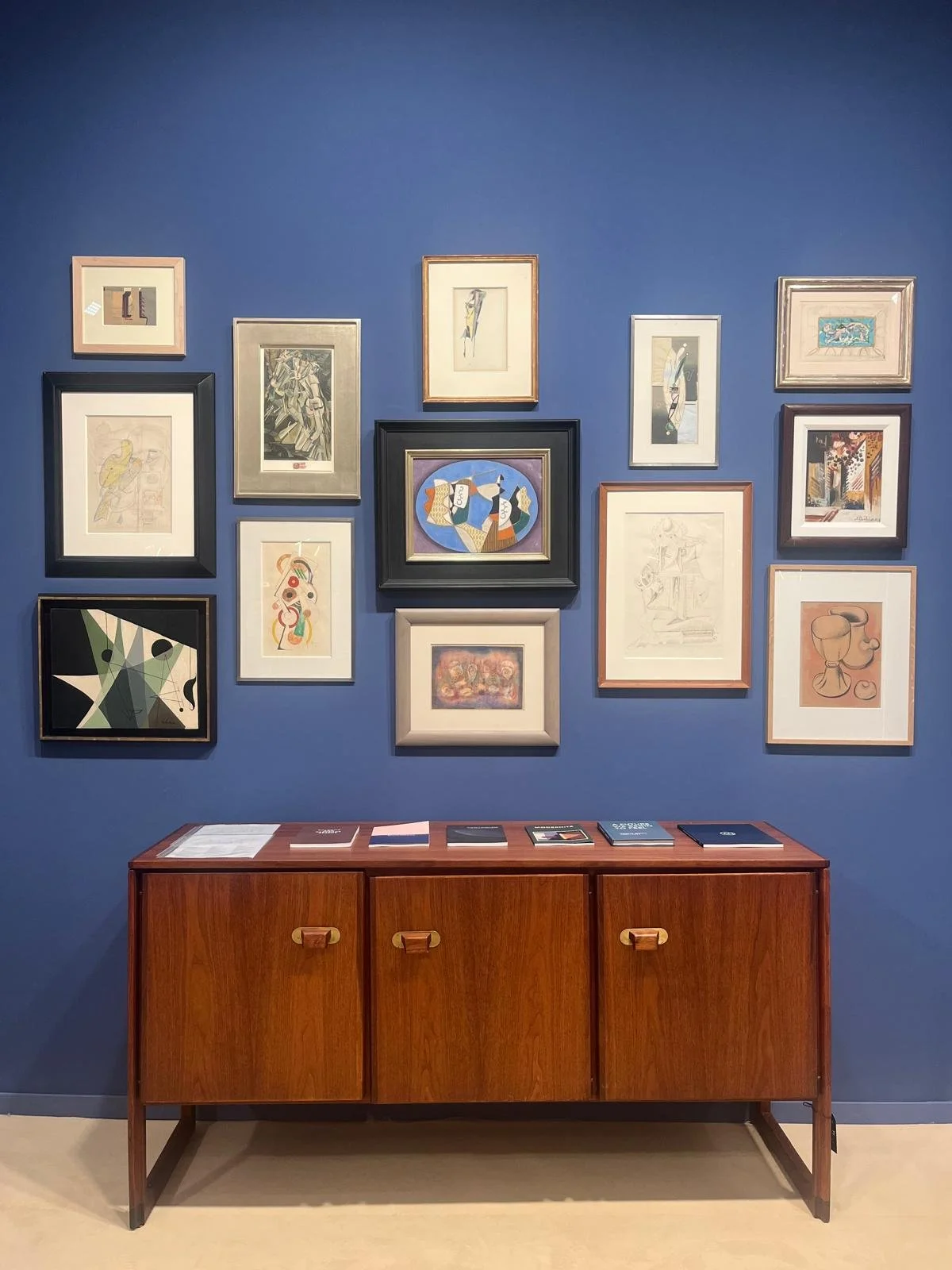
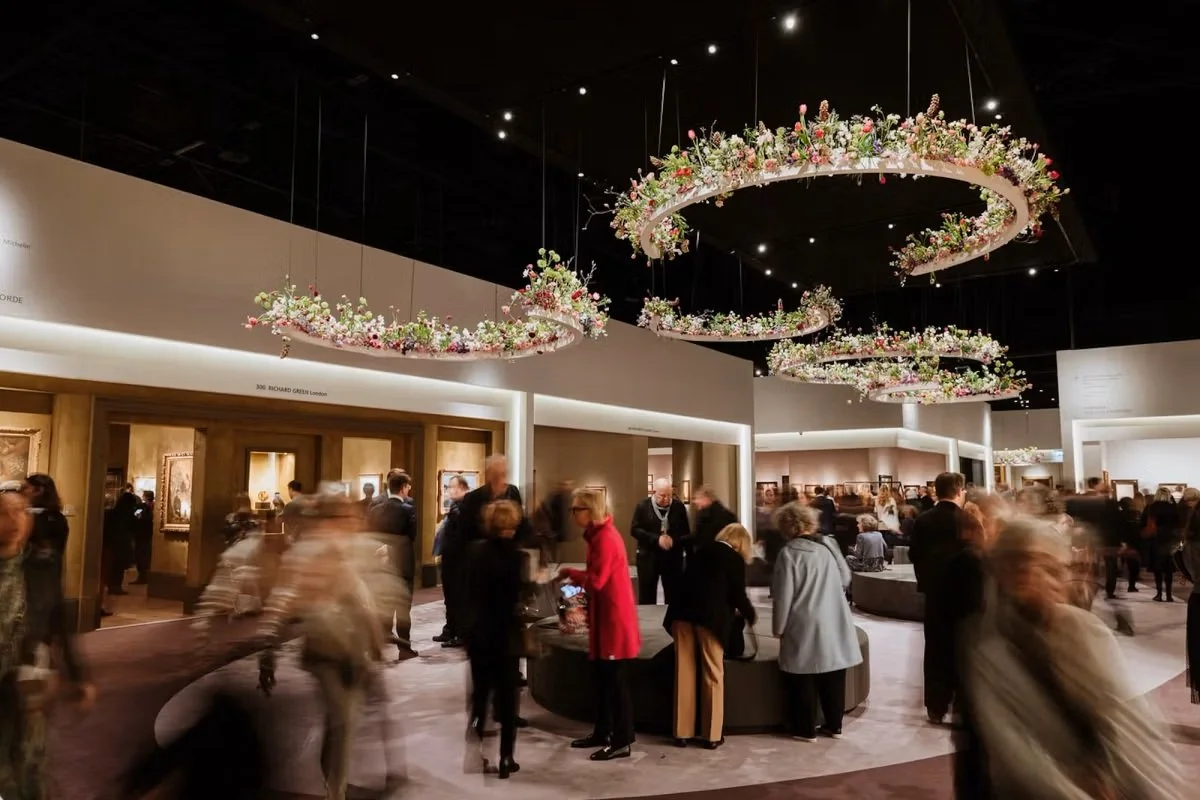
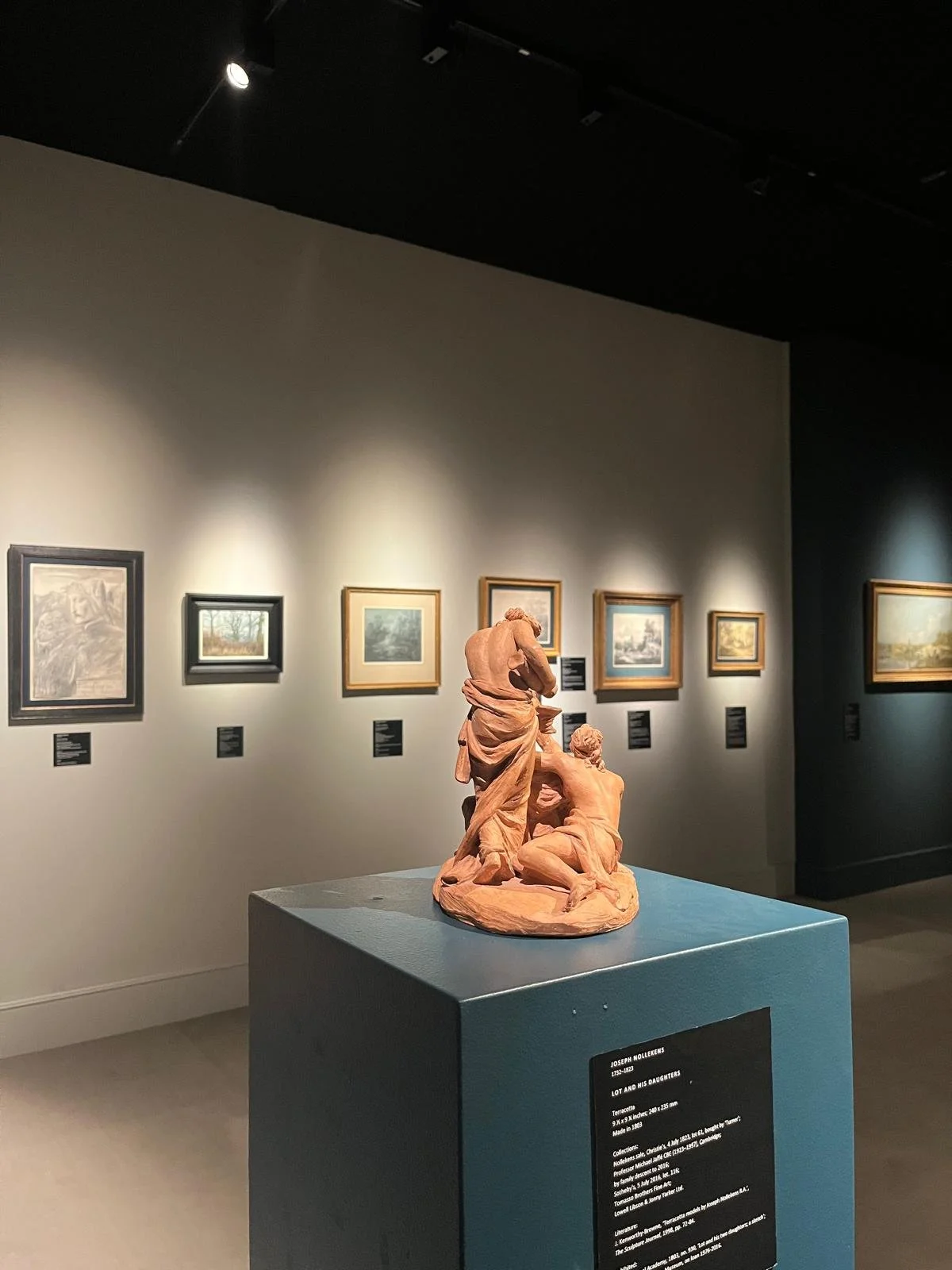
I recently had the privilege of spending several days at The European Fine Art Fair in Maastricht, in the south of the Netherlands.
Often dubbed “the Davos of the art world,” its reputation as the fair where museums go to shop is well earned. Many American institutions return year after year with dedicated budgets—not just for travel, but for acquisitions.
It is an intense experience. Not only because of the sheer density of beauty, but also because of the atmosphere: people eager to buy, discover, learn—and yes, sometimes to show off. From an anthropological perspective alone, TEFAF is endlessly fascinating.
Buying at TEFAF, however, is not for the faint-hearted.
Beneath the veneer of an exceptionally curated, vetted, and institutional setting, you are still dealing with market participants operating with commercial incentives like anywhere else. Opportunism exists. Prices can be ambitious. And pieces can disappear while you step away for a glass of champagne.
So how do I approach a fair like TEFAF with enough confidence to actually acquire works?
1. Ask questions—many of them.
Provenance, artist background, secondary market dynamics, rarity, and what makes a specific piece compelling. Galleries should be able to answer these clearly—that’s part of what you are paying for at this level.
2. Do the research (quickly, if needed).
I use a mix of AI tools, reverse image search, and literature. Auction databases (often behind paywalls) can reveal historical pricing and give a sense of gallery markups—typically 2–3x. That premium reflects sourcing, curation, and the value of the “gallery stamp.” At 10x markup however (not unheard of), I quickly lose my appetite.
3. Look around the corner.
Artists trend at fairs. You’ll often find multiple galleries presenting the same artist. This creates a rare opportunity to cross-check pricing, narratives, and positioning.
4. Negotiate—without hesitation.
It’s part of the process and wholly expected.
5. Know your own appetite.
Have clarity on what you are willing to spend and why. Stay disciplined.
6. Prepare in advance.
I review offerings from galleries I trust before arriving. Even if I end up buying from someone new, it provides a valuable baseline in an environment where comparison is notoriously difficult.
7. Do light diligence on unfamiliar galleries.
How long have they exhibited at TEFAF? How long have they been in business? What other fairs do they participate in? Reputation matters.
8. Balance instinct with patience.
Sleep on it if needed. Move quickly if you’re certain. If something disappears overnight, accept it—there will always be another piece.
9. Follow up.
What you see at TEFAF is often just a fraction of a gallery’s inventory. If you like their aesthetic, building a relationship can be far more valuable than a single purchase.
10. Take it seriously—but not too seriously.
Collecting sits somewhere between spending and investing—perhaps 50/50. If you stay within your limits, buy what you genuinely respond to, and accept that mistakes are part of the journey, it becomes an immensely rewarding pursuit.
— Michael Camacho
Research and Design Practice (April 2026)